 |
Stories from the NFCCA Newsletter, the “Northwood News” |
|
Stories from the NFCCA Newsletter, the “Northwood News” |
I’m sure many of you have a memory of a beautiful summer day when the sweet aroma of honeysuckle wafted across your face, perhaps during a May weekend at the Rachel Carson Meadow Festival. Because Japanese honeysuckle is an attractive, flowering vine and smells good, many people welcome it in their yards, but it is not native to our area.
Non-native species are those that are introduced — either accidentally or intentionally — into a geographic area in which they did not evolve. Some plants were brought here as groundcover, for their potential medicinal properties, or because they provide attractive landscaping. You may remember the Northern Snakehead fish that invaded a Crofton pond in 2002; it reportedly originated from a live Asian food market. The zebra mussel that has had devastating impacts on the Great Lakes was introduced through ballast water from ocean-going ships.
No matter the type or the path of entry, non-native species can very quickly shift the balance of the ecosystem into which they are introduced. Of course, not all non-native species are bad; just ask anyone with a domestic cat or dog!
Any species, native or non-native, that spreads aggresively, reproduces quickly, and outcompetes local, native species are termed invasive. A non-native invasive species can wreak havoc on an ecosystem. One problem with these invasives is that the natural organisms or diseases that keep them in check are not present in the new habitat.
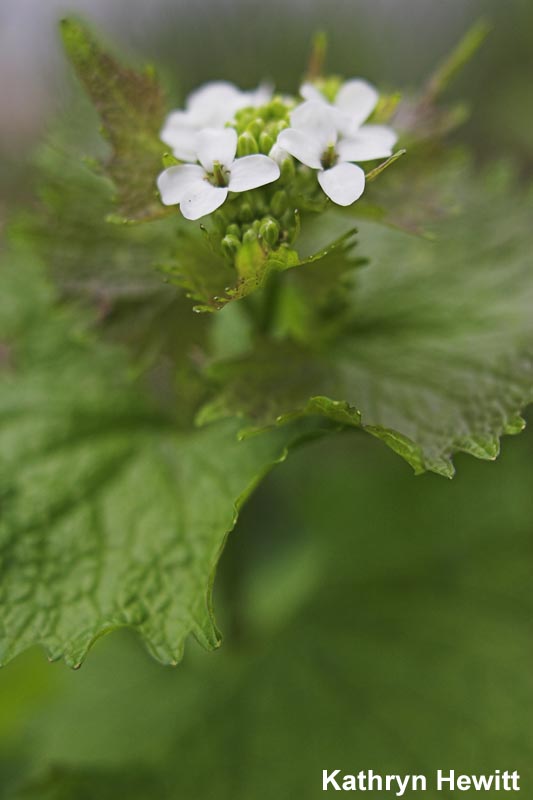
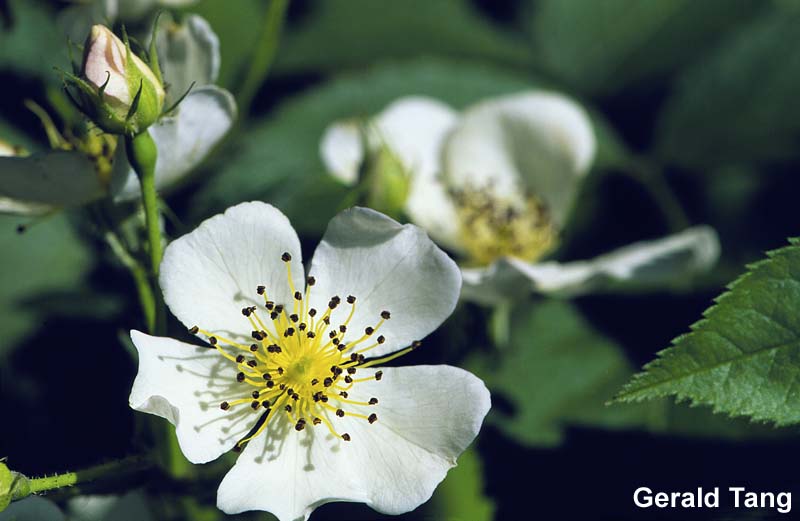
There are many invasive species in Maryland, and they can be plants, animals, insects, and even viruses and fungi. We have quite a number of invasive plants in our neighborhood: the sweet-smelling Japanese honeysuckle, the English Ivy climbing the side of your house or trees, the Bradford pear trees that are so popular in suburbia. There are many other invasive plants that may be less visible unless you travel back into our local parks or stroll along Northwest Branch: kudzu, multi-flora rose, mile-a-minute (very appropriately named, by the way), garlic mustard, bamboo, and porcelain berry.
All of these species have the potential to kill off native vegetation, which disrupts the food chain and causes problems for animals who need the native species to survive. So, let’s take back our neighborhood by taking some time to clip the bottom five feet from the English Ivy on your beautiful silver maple or along your house. If you’re really ambitious, join Montgomery Parks’ Weed Warriors program and become trained to tackle the many vines and plants that are taking over the meadow and the North Four Corners Park. To become a Certified Weed Warrior, visit www.weedwarrior.org.
For more information on invasive species, visit www.invasive.org or the Maryland Invasive Species Council at www.mdinvasivesp.org. ■
© 2010 NFCCA [Source: https://nfcca.org/news/nn201006g.html]