 |
Stories from the NFCCA Newsletter, the “North Four Corners News” |
|
Stories from the NFCCA Newsletter, the “North Four Corners News” |
North Four Corners News ♦ April 2024
The Northwest Branch is a jewel in our neighborhood, a place where we can go for a walk, observe nature, and decompress from our busy lives. While we might not think about it beyond a neighborhood gem, it is in fact the largest subwatershed of the Anacostia River, stretching some 19 miles in both Montgomery and Prince George’s Counties, eventually draining to the Potomac River and Chesapeake Bay. That means that what happens in our own backyard, and what we ourselves do in the Northwest Branch, has a dramatic reach not only in terms of water quality and pollution, but the flora and fauna that need a healthy ecosystem to survive.
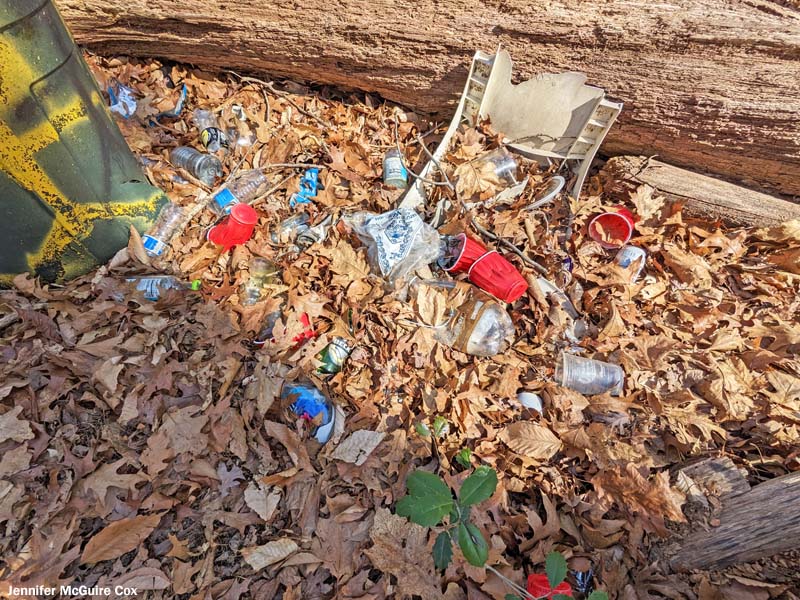
The Northwest Branch faces many problems. While largely rural in its northernmost points, the watershed where our neighborhood is situated is largely developed and the overall watershed is 27% impervious. This means that, in all of the watershed, 27% of it is covered by artificial structures, including asphalt, concrete, brick, stone, as well as rooftops and compacted soil no longer able to absorb water as it otherwise would in a natural, undisturbed location. This imperviousness, coupled with a lack of stormwater controls, means that, in a rain storm, water gushes in more quickly than it normally would, resulting in muddy runoff and erosion of the stream banks. But that rain, too, means any trash laying on the ground — and any other pollutants that those within the watershed are using — will likely enter the waterway.
Why is this a big deal? Because litter and pollutants entering the waterway will result in the decrease of water quality. Sure, we might not ourselves be drinking right out of the Northwest Branch, but our local waterways do provide our drinking water. Water quality is also one of the most important components of any healthy ecosystem, impacting the diversity of plants and wildlife that can live in and near the waterway. Poor water quality also has recreational implications, including making it unsafe for ourselves and our pets to use and enjoy.
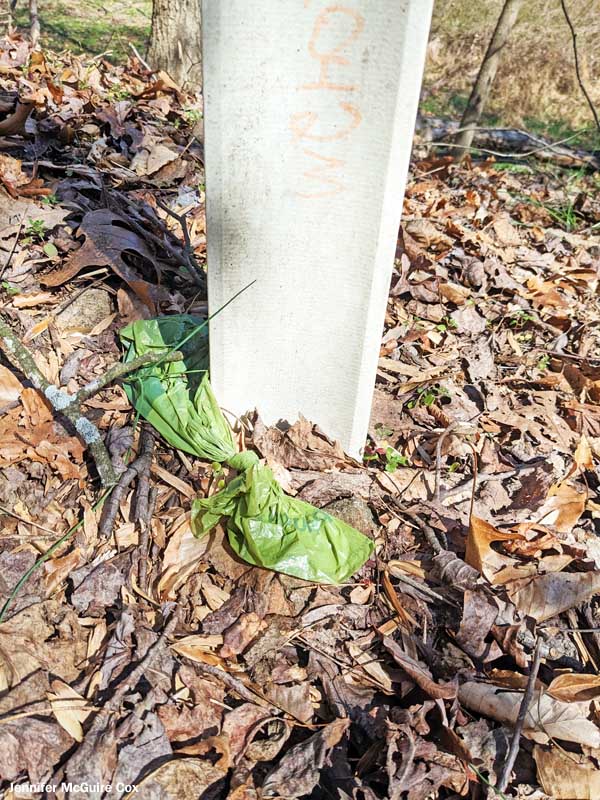
How can we help maintain a healthy Northwest Branch watershed and waterway? By being a responsible neighbor and steward. This includes:
Montgomery Parks owns the land, including the trails and waterways, of the Northwest Branch in our neighborhood. It works to prevent stormwater and other pollution from impacting our local waterways and the aquatic wildlife that lives in them.
If you see anything suspicious on Montgomery Parks’ land, contact their Pollution Incident Phone Line at 301. 495.3582. Staff will visit the site of the incident and try to determine the cause. What is suspicious?
If the issue is clearly a sewage leak from a water main or sewer pipe, which do run on Parks’ properties, please contact Washington Suburban Sanitary Commission’s Emergency Services at 301.206.4002. ■
© 2024 NFCCA [Source: https://nfcca.org/news/nn202404e.html]